


ROI of a field robot: when does it pay for itself?
By VerdaMachina · Last updated 16 Sep 2026 · 3 min read
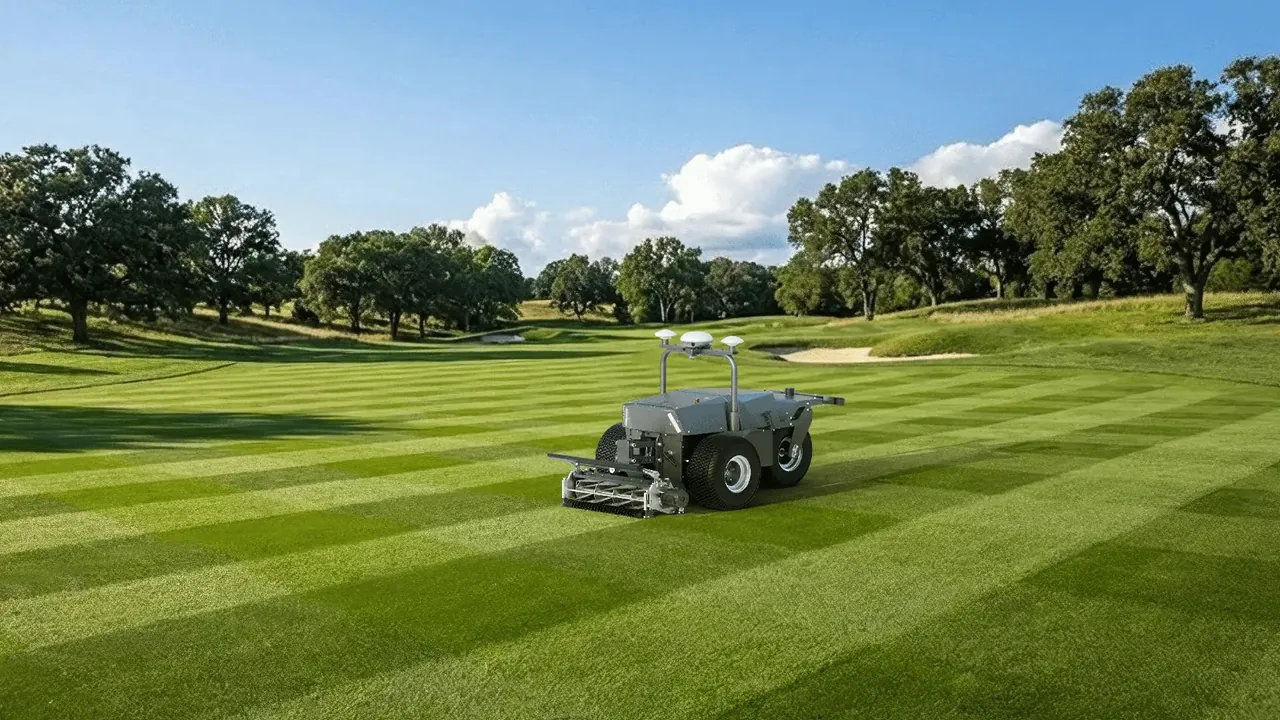
The most important question with any investment is: when will I have earned it back? For a field robot that mainly depends on figures you already know, namely how many hours your team spends today on mowing, line marking or picking up balls, and what those hours cost. This article explains how to do the calculation.
Step 1: what does maintenance cost today?
Count the hours per week for the task the robot would take over. Multiply by the hourly wage including employer costs, and by the number of weeks per year the task is needed. Do not forget the costs that come on top: fuel, maintenance and depreciation of your current machines, and possibly overtime or weekend supplements.
Step 2: which share does the robot take over?
A robot rarely takes over one hundred percent of the work. Someone schedules tasks, checks the results, cleans the machine and mows the corners the robot cannot reach. So calculate with a realistic percentage of the hours that are freed up. During a pilot you see that for your own grounds.
Step 3: what does the robot cost per year?
Against that are the robot's running costs: electricity, maintenance, wear parts such as blades, and possibly a service plan. For line marking, paint comes on top, although according to manufacturers a robot often uses noticeably less paint than manual marking. Electric robots have no fuel costs.
Step 4: the payback period
The net saving per year is the difference between what you spend on the task today and what the robot costs. Divide the investment by that net saving and you know the payback period in years.
A worked example
This is an example to show the method, not a price indication. A club spends 12 hours a week on mowing, for 36 weeks a year, at a labour cost of 38 euros per hour. That is 16,416 euros per year. Suppose the robot takes over 75% of those hours, then 12,312 euros of labour hours are freed up. Subtract estimated running costs of 1,800 euros per year and the net saving is 10,512 euros. With an investment of 25,000 euros that means a payback period of about 29 months. The saving is often higher, because the fuel and maintenance of the old mower also disappear.
What the calculation does not show
- Quality: mowing daily produces a denser, healthier turf than mowing once a week.
- Flexibility: the robot works early, late and at weekends without supplements.
- Staff: your team can focus on work that requires expertise, which helps to retain people.
- Sustainability: no emissions on site and less noise.
Buy or lease
Buying is not the only option. With operational leasing you pay a fixed amount per month. If you want to see what the robot does first, request a one-week pilot. That does not fundamentally change the payback period, but it does change the impact on your budget in the first year.
Calculate your own situation straight away with the ROI calculator, or let a specialist do it during a free field audit.
Frequently asked questions
How quickly does a field robot pay for itself? +
That depends on the number of hours the robot takes over, your labour cost and the investment. For grounds with a lot of weekly maintenance the payback period is often within a few years. The ROI calculator gives a first estimate for your situation.
What does a robot cost per year? +
Mainly electricity, maintenance, wear parts and possibly a service plan. For line marking robots, paint comes on top.
Can I lease a field robot? +
Yes. Besides purchase, VerdaMachina also offers operational leasing.
Machines in this article
More insights.
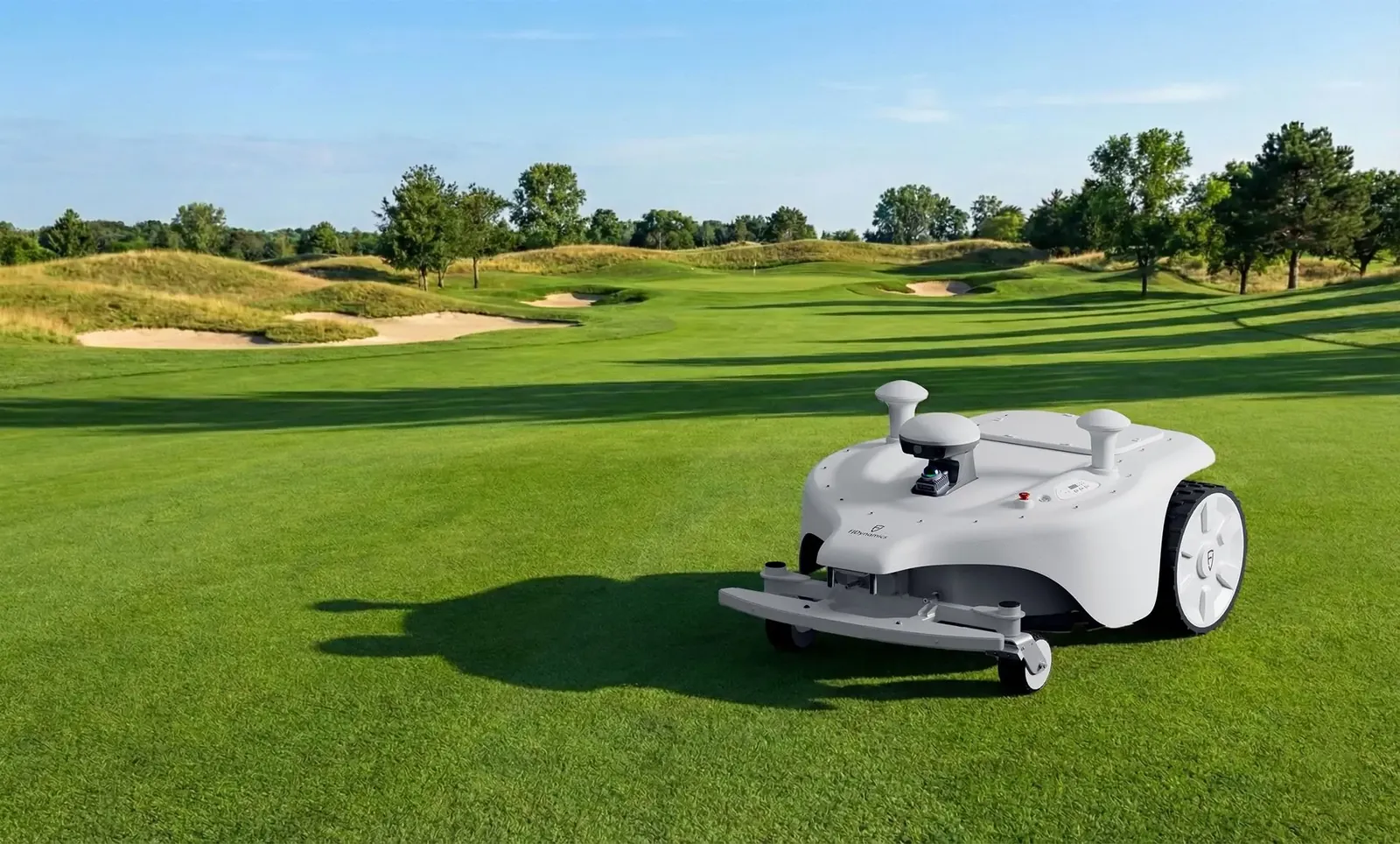
Robotic mower for a football pitch: 7 questions before you choose
Area, cutting height, collection, slopes and service: the questions that decide which robotic mower suits your football pitches.
Read article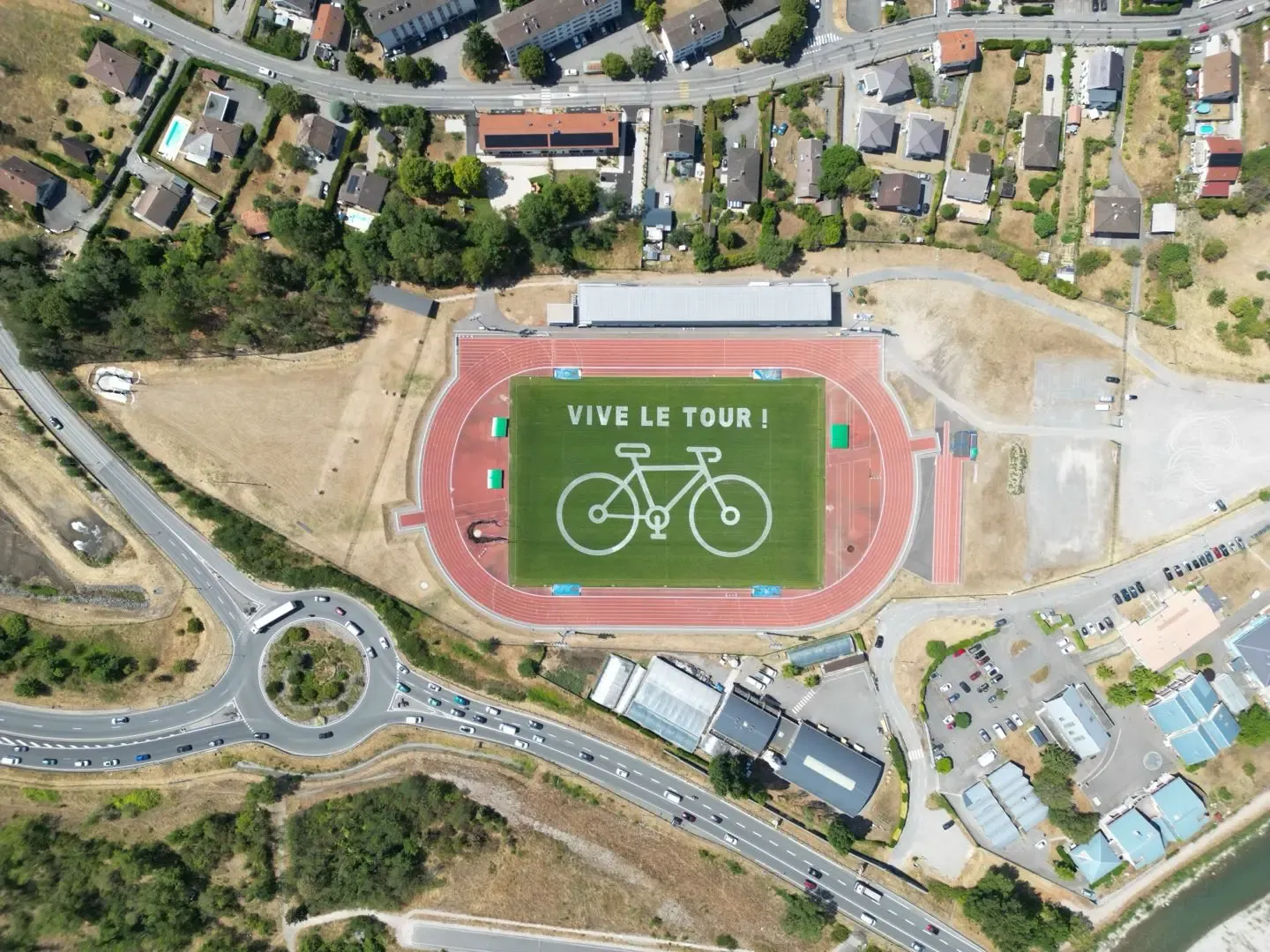
Line marking robot for sports fields: how to choose the right one
How a line marking robot works, what it saves and how to choose between a light club robot, a robot for several pitches and stadium precision.
Read article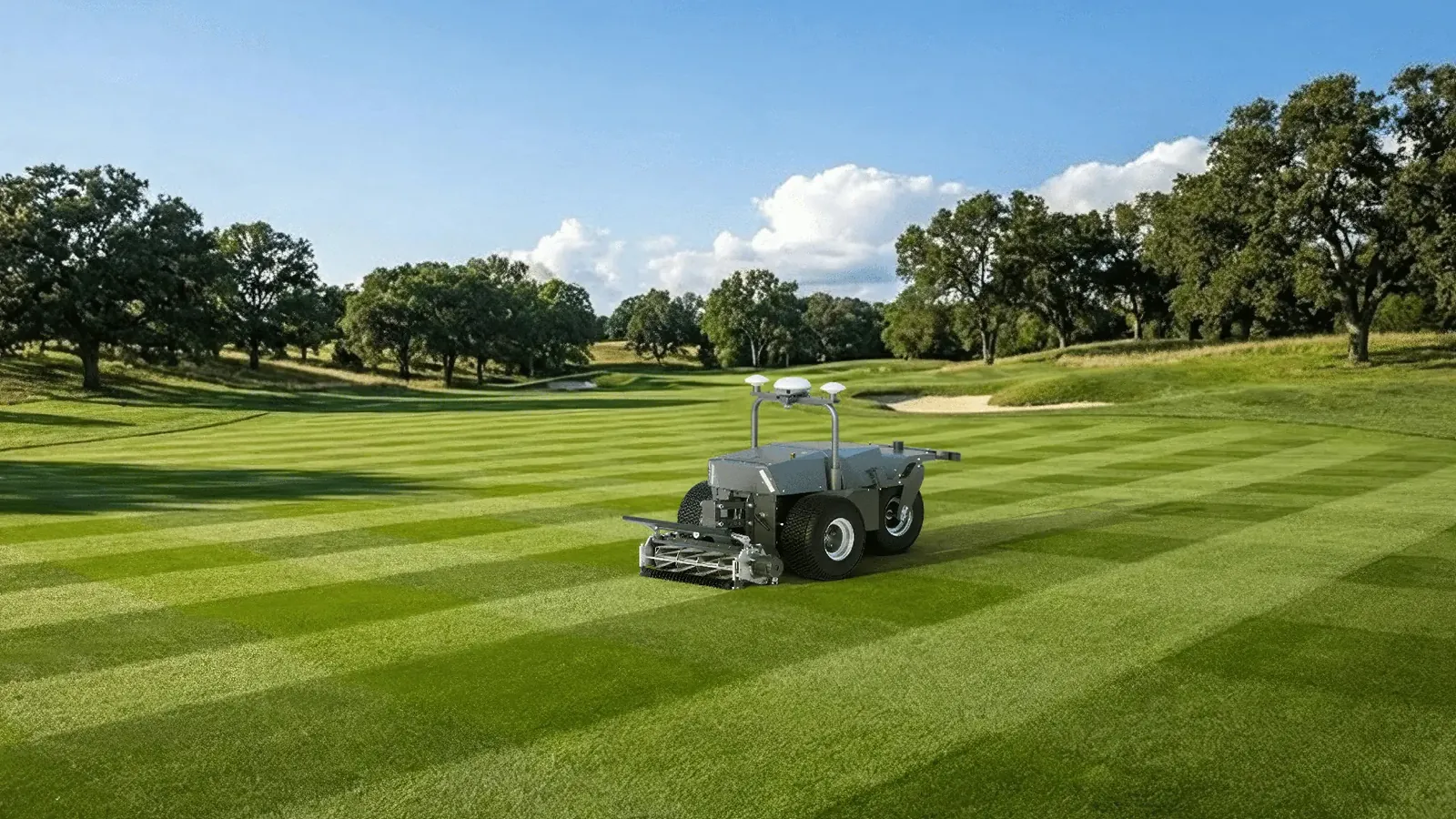
Cylinder mower or rotary mower: which robot suits your turf?
The difference between a cylinder mower and a rotary mower, and which robot to choose for greens, fairways, football pitches or municipal green spaces.
Read articleReady for smarter grounds?
Request a free field audit or demo.